Opening your monthly utility statement to find a sudden forty percent increase can feel alarming. While seasonal temperature swings are often the primary cause, hidden phantom loads, failing compressor coils, or outdated rate structures frequently drive up costs quietly behind the scenes. Finding the root cause requires methodical tracking rather than guesswork.
Uncovering Phantom Loads and Silent Drains
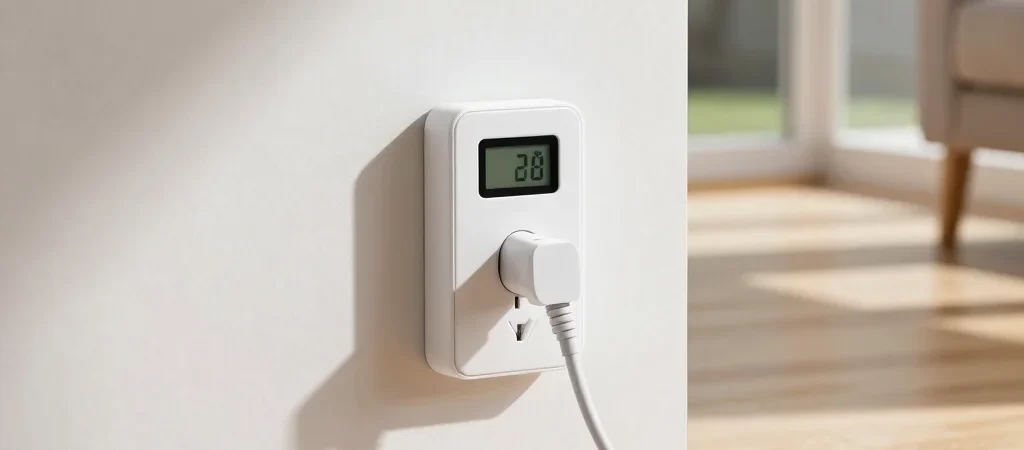
Modern homes are filled with electronics that continuously draw power even when turned off or put into standby mode. Cable boxes, gaming consoles, secondary refrigerators, and smart home hubs silently add up to significant annual waste. Placing an inexpensive watt meter on suspect outlets provides instant utility clarity regarding how much idle devices cost you every single month.
Analyzing Your HVAC Cycle Times
Heating and cooling account for more than half of the typical residential energy footprint in the United States. When a heat pump or central air unit runs constantly without reaching your set temperature, dirty filters or leaking ductwork may be forcing the system to work double time. Catching these efficiency bottlenecks early protects your equipment while securing dollar-for-dollar savings on summer cooling.
Reviewing Utility Rate Tiers and Time of Use
Many utility providers now charge variable electricity prices depending on the time of day you run heavy appliances. Running your dishwasher or clothes dryer during peak afternoon hours can cost double what you would pay during off-peak night windows. Adjusting appliance schedules to align with off-peak rates offers an actionable reduction in power expenses without sacrificing daily convenience.


